

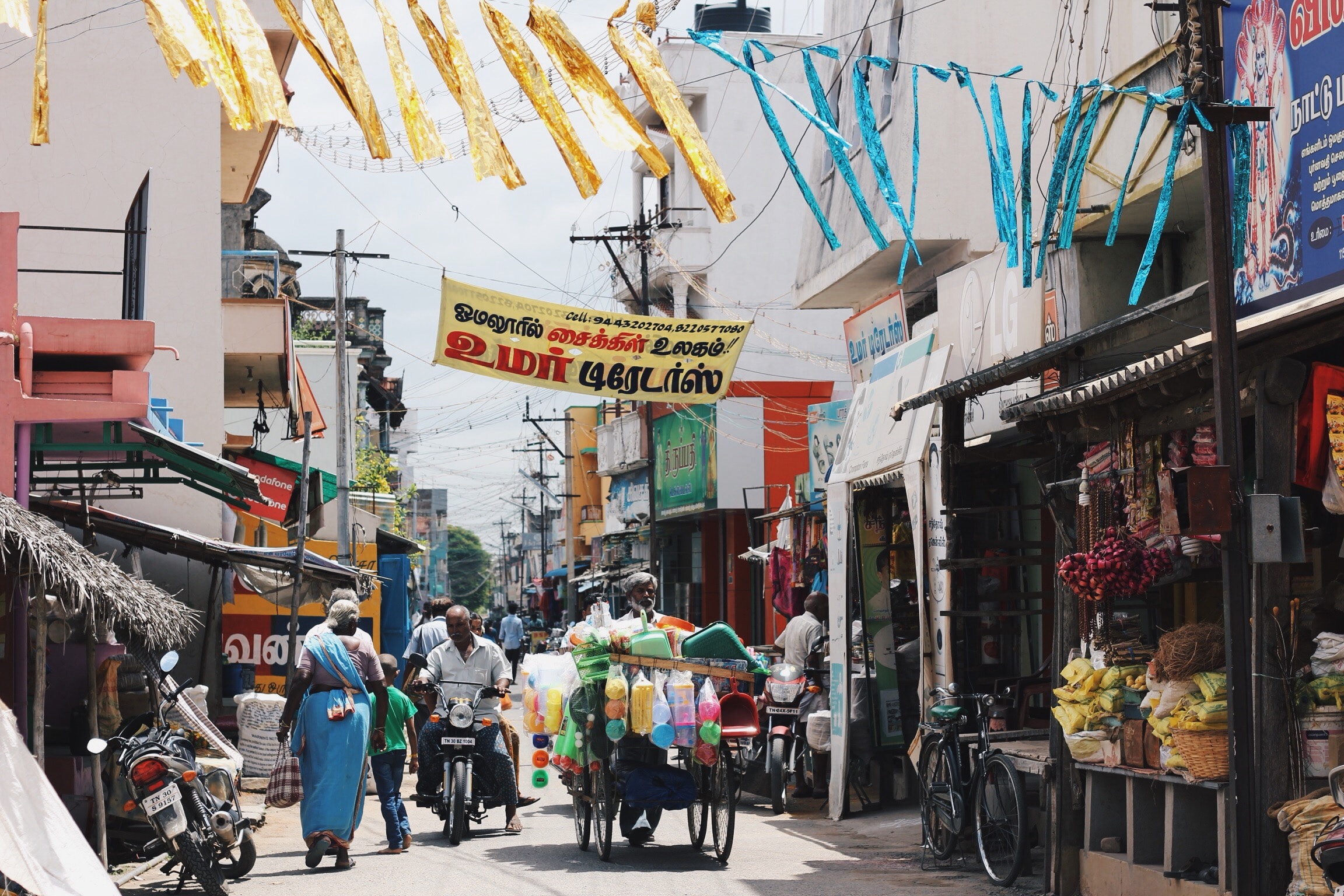
The law will allow refugees from nearby countries to become Indian citizens but only if they are not Muslim
Indian lawmakers have approved legislation that grants citizenship to non-Muslim migrants from Pakistan, Bangladesh and Afghanistan by a margin of 125 to 105 in the upper house. The law had been approved by the lower house earlier in the week and now merely needs to be rubber-stamped by the president before it becomes law.
The government claims the bill provides expedited consideration for Indian citizenship to members of persecuted Buddhist, Christian, Hindu, Jain, Parsi, and Sikh religions who left the aforementioned countries before 2015 and settled in India, and seeks to address their current difficulties and meet their basic human rights. The government claims Muslims were excluded because they do not face persecution in these countries.
Critics of the legislation say it is discriminatory to Muslims and undermines the country’s secular constitution. Opposition lawmakers have vowed to challenge the law in court calling it a victory of narrow-minded and bigoted forces over India’s pluralism. They allege the law forms part of the ruling party’s nationalist agenda which seeks to marginalise India’s 200 million Muslims.
The law has also been condemned by scholars, and international organisations but the Indian government has argued that it is not discriminatory as it does not affect the existing path to citizenship that is available to everyone.

Protests erupted in India’s remote north-east Dibrugarh district in Assam state in response to the passage of the legislation and there have been street protests in Guahati where a curfew has been imposed. There are fears in these areas that large numbers of illegal Hindu migrants from Bangladesh will be given citizenship.
The Indian government is also proposing to institute a nationwide national register of citizens by 2024.